Data Platforms for humans
•
Wim Berchmans
Data platforms fail when people are ignored. Why kindness and communication matter as much as architecture.
At Dataminded we build Data Platforms for a living. We’re good at it and we have all kinds of things to say about the technical stuff.
But in this post I want to shift the focus away from technology and talk about the human side of the story. What does it really mean for people when they’re asked to change how they work simply because an organisation has decided that “data platforms” are a good idea?
I guess the proper term for this is Change Management, but for the person all of a sudden needing to change their way of working, like Bonnie of the sales department for example, we can also just call it annoying. Because let’s face it, the MVP is going to have its issues. It’s going to need imagination.
We, the builders, have this imagination in spades because we love this sort of thing. We get excited by the roadmap, the technologies, the vision. It’ll be just like in the Data Mesh book.
Yay.
Makeshift left
The whole promise of modern Data Platforms (the way Dataminded envisions them at least) is that non-technical people can and should be included in the data lifecycle, i.e. the data producer business owner should have a tool at their disposal with request flow features and observability at exactly the right conceptual level.
This means no more meetings in a shady back-alley of the intranet between a report developer and a data engineer who know each other only by their First Name Letter Avatar in Teams just to get access to some abstractly named table (”pssst, can you get me access to SALWBS_V3?”).
Bonnie, the Data Owner within the Business Team, can now easily configure access to the correct Data Product in the Platform Portal. That is the promised land.
Everyone knows this right? …Right?
In my experience, people like Bonnie rarely see this change in workflow coming from afar. One day they are tending to their excel files, and the next day they need to understand this whole concept of Data Products and decentralised data management.
And they usually haven’t read Data Mesh.
Who doesn’t like change?
Change Management needs three things (I’ve learned from a Dataminded sponsored workshop of StreetwiZe): mind, heart and hands. Meaning that if you want to change things for a big group of people, you have to:
🧠 communicate very clearly what will happen, why and how
✋ have the tools ready to make the change at least manageable
❤️ explain the change in a way that people feel it will affect them in the right way (”if a story is not about the hearer, they will not listen”)
As technical experts, we mainly control the tools but rarely the communication strategies. This means our work might at some point affect people in a way that they will perceive as negative or confusing or annoying.
Take Bonnie for example, she’s struggling with multiple deadlines, she needs to deliver reports for the sales department, recently went through a difficult break up, is dealing with her horrible newsfeed of genocidal war and climate change and has no time for any of your philosophical data nonsense.
How can we help?
Kindness goes a long way
Here’s my advice: Be Kind.
The earlier you are in the process of changing things, the kinder to your surroundings you will want to be. Because you will need them to be kind to you and your team as well.
An MVP of a Data Platform will have early adopters of all sorts. These people will be very confused a lot of the time. Make up for the gaps in the product by giving great service.
Here’s a real life example of how that may look:
Me
Hi Bonnie, I just asked David to make an access request via the Data Product Portal in order get access to the sales Data Product. As Data Steward, you should receive a Teams message. I understand this is a new system/wow for you, so I’m following up closely. Let me know if something is not clear or not working. Thanks!
Bonnie
Hi Wim, I can see the request and have just approved it. Thanks for the heads up
Me
David, I see the system provisioning your access, I’ll let you know when it’s done. Our Data Product Portal doesn’t give feedback on that (yet).
David
It works! If you comment in the ticket I can close it. Thank you both.
With those interactions, I try to use the language of the platform as if is the most evident thing in the world so everyone can get used to it. While still keeping in mind the way that this might sound to the uninitiated, so I can translate when necessary. And most importantly I use warm handoffs to try and keep the confusion to a minimum.
A shared language
Here’s another example.
John who wants to develop a report (sends email):
Can I get access to table x?
Me (adding Bonnie The New Data Steward in cc):
Hey John, we recently deployed data product portal to manage data access requests. Looking at your request, I believe you want to request access to Data Product X (which is what we now call these schemas). You can do so here → [link and screenshots and what not]. This way Bonnie can grant access to the Sales data. She’s recently been appointed to Data Steward. Don’t hesitate if you have questions.
My approach here is to use language based on the workflows we’ve developed technically. This gives Bonnie and John an idea of how they could/should think about this whole new data management approach. The warm handoff technique makes sure they can ask questions when something doesn’t add up for them.
It gives everyone time to adjust and learn the new way of working. As someone smarter than me once said: “The limits of my language mean the limits of my world”.
This gives us, builders, a shot at influencing the ❤️ part of Change Management.
Conclusion
In short, early in the Data Platform lifecycle it’s probably a good idea to give extra service to your early adopters because the tools you offer will be far from perfect and because the shift in mindset has been taking place longer in your mind than in the minds of those who are meant to use those tools. I promise you’ll get a lot of feedback, build good relationships and mutual trust.
In the end, if you’re not working to make everyone’s lives a bit easier, why are you even building a data platform in the first place?
Latest
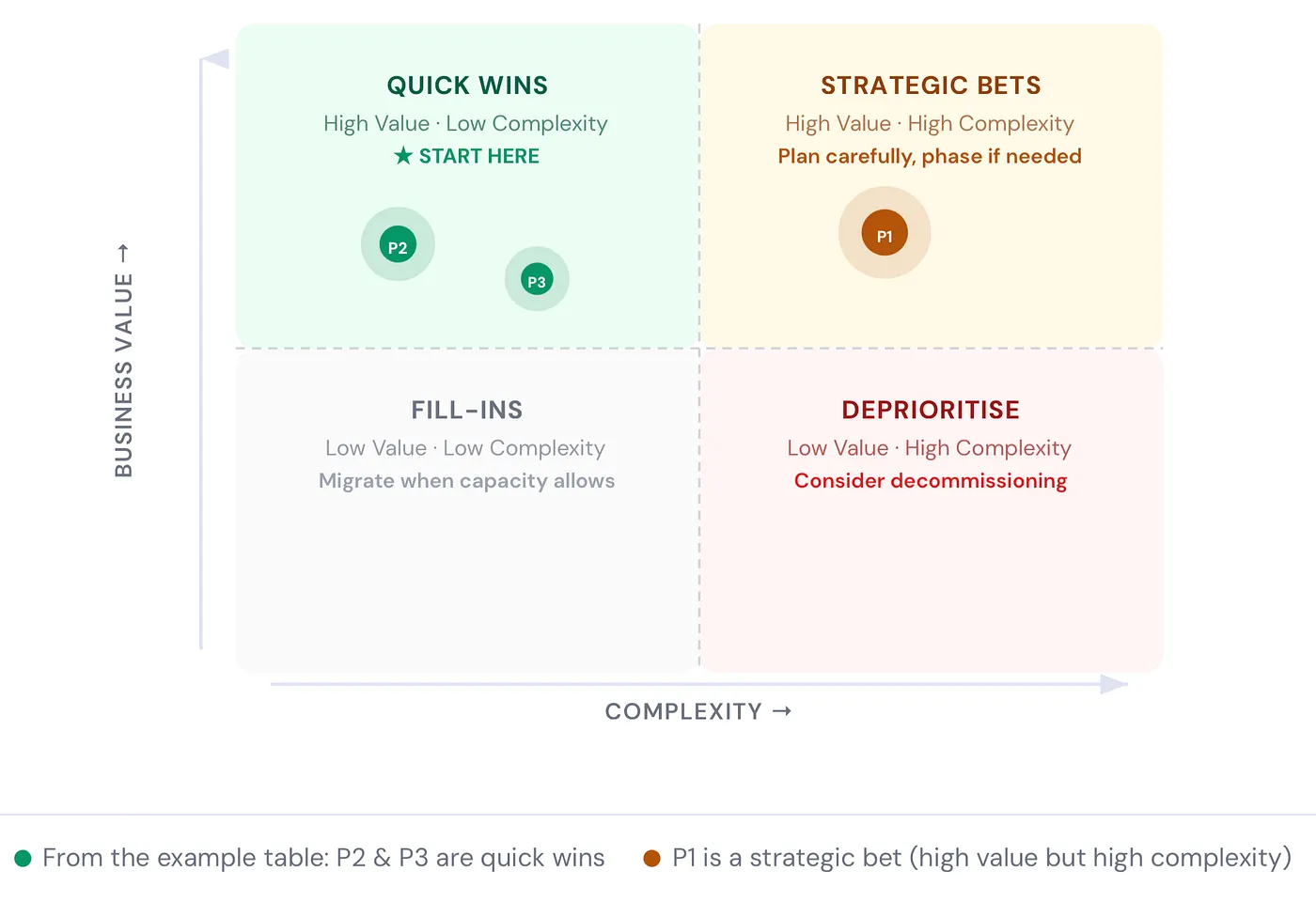
Migrating a Data Platform: 20% technology, 80% everything else
Data platform migrations rarely fail on tech, they fail on unclear success criteria, rushed discovery, and late-involved downstream teams.
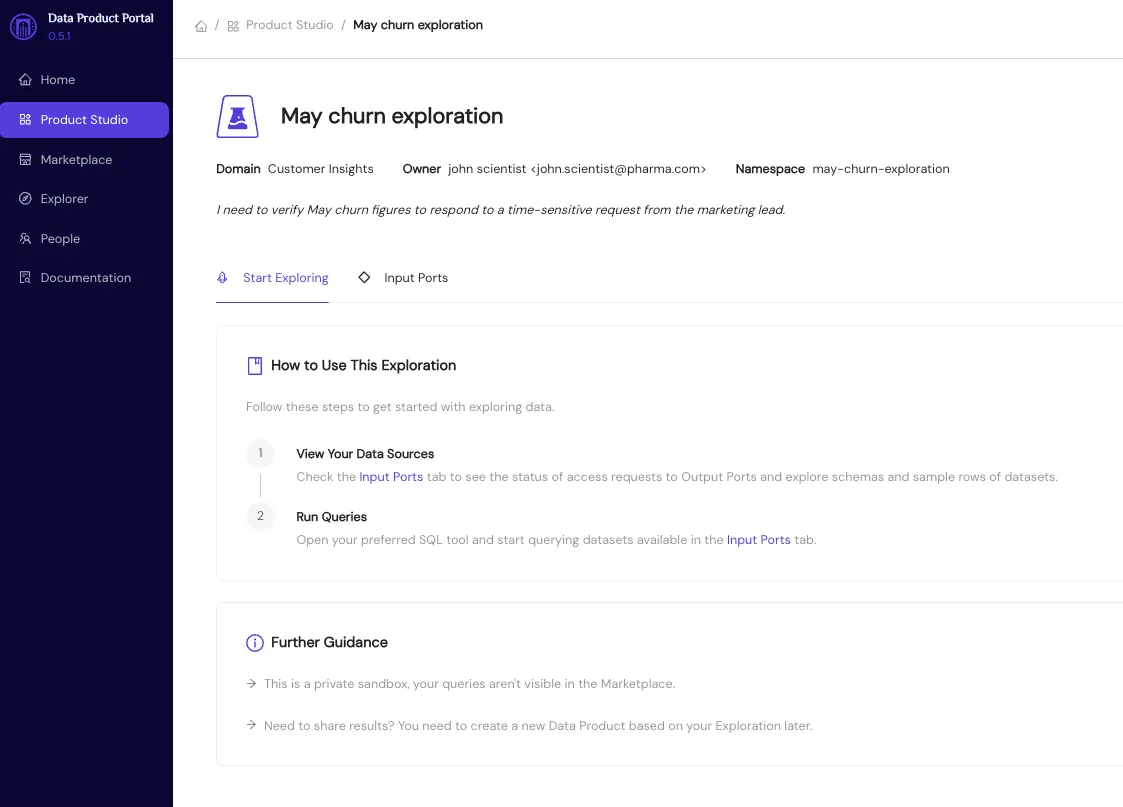
Not Every Data Question Deserves a Full Data Product. And that’s okay
Why forcing every data request into a data product creates friction, and how Explorations make governed data access easier.

uv scripts: micro-production situationship
Learn how uv scripts bridge the gap between throwaway scripts and full Python projects with minimal overhead